
Masanori Umeda
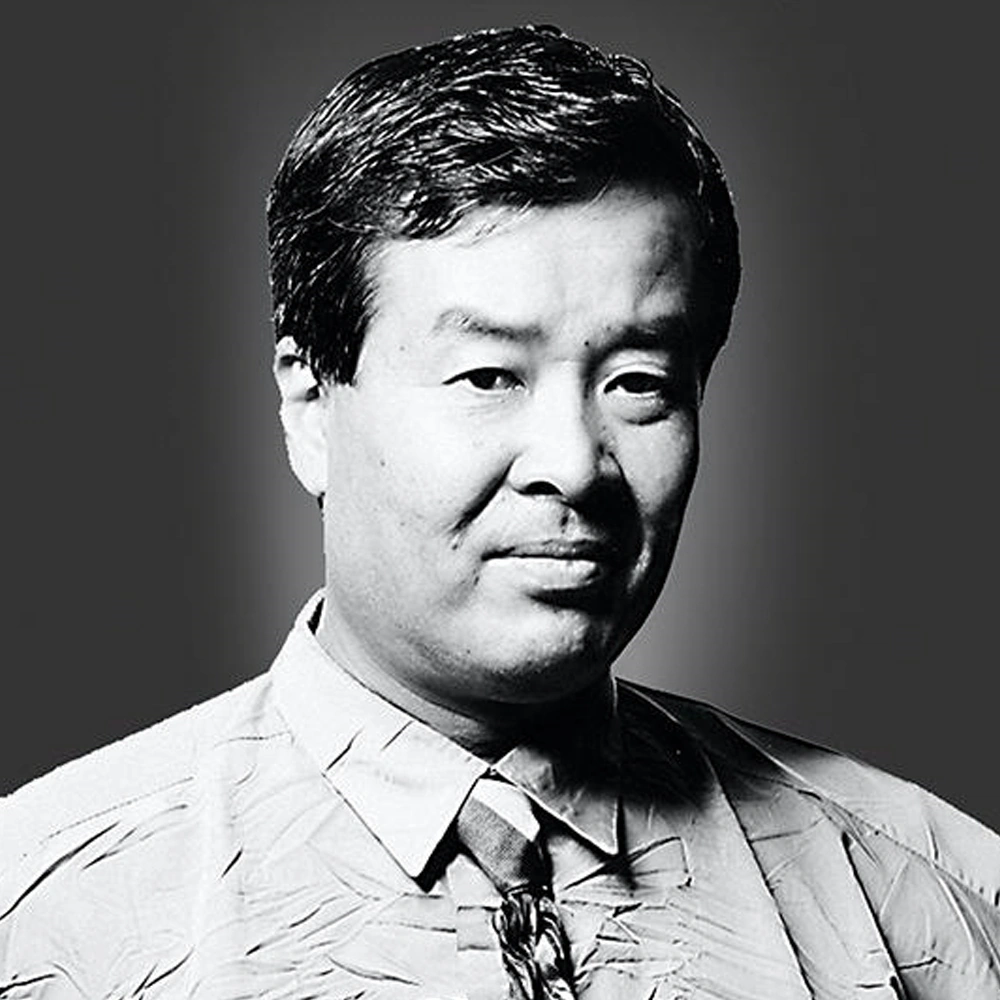
Masanori Umeda graduated from Tokyo’s Kuwasawa Design School in 1962. In 1967, he moved to Milan, where he worked at the studio of Achille and Pier Giacomo Castiglioni. From 1970 to 1979, he worked as a design consultant for Olivetti, where he met Ettore Sottsass.
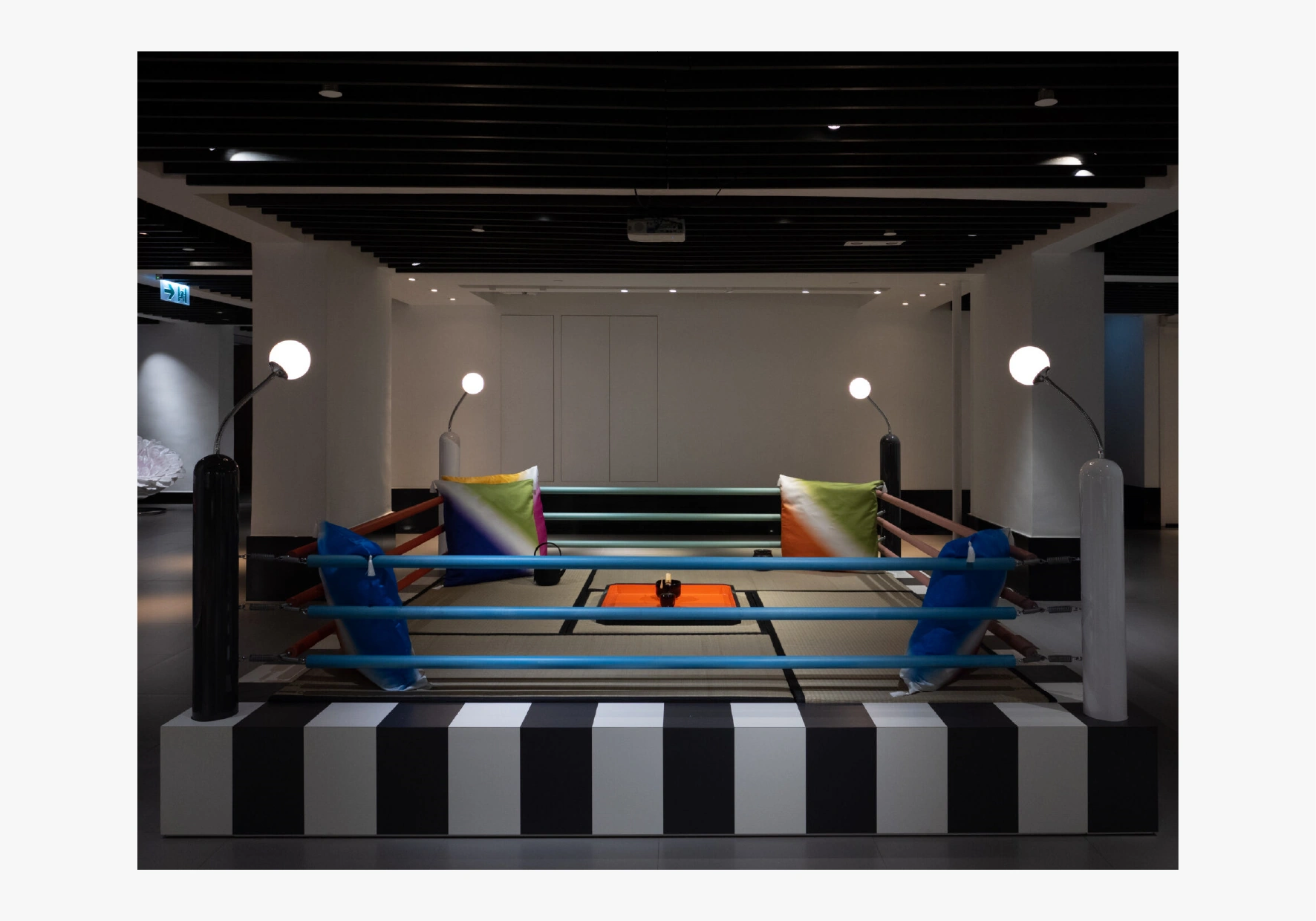
In 1981, Umeda designed his most famous work for the Memphis Group, the Tawaraya boxing ring. The founding members of the group were photographed by Studio Azzurro on the piece, creating one of the most iconic images associated with Memphis. A synthesis of East and West, Tawaraya combines the form of a boxing ring with tatami mats characteristic of traditional Japanese interiors, serving as a metaphor for conversation and interaction.
Umeda continued to collaborate with the Memphis Group over the following two years, during which he created the Ginza robot-shaped cabinet, as well as two ceramic works, the Orinoco vase and Parana bowl.
Umeda returned to Japan in 1986 and established his U-MetaDesign studio in Tokyo, which was renamed Umeda Design Studio Inc. in 2001. In the years that followed, he continued to create postmodern furniture characterized by poetic and ironic qualities.
Masanori Umeda participated in numerous international exhibitions and received several awards, including the Braun Prize in 1968, the Grand Prix of the Japan Display Design Award in 1981, the Japan Commercial Space Design Award in 1984, and the Grand Prix of the Good Design Award, Japan, in 1990. His works are held in museum collections around the world. In 2015, more than 180 works by Umeda were acquired by M+, West Kowloon Cultural District, Hong Kong. M+ currently lists 191 objects and archival items by Umeda in its collection and archives.
Collectibles
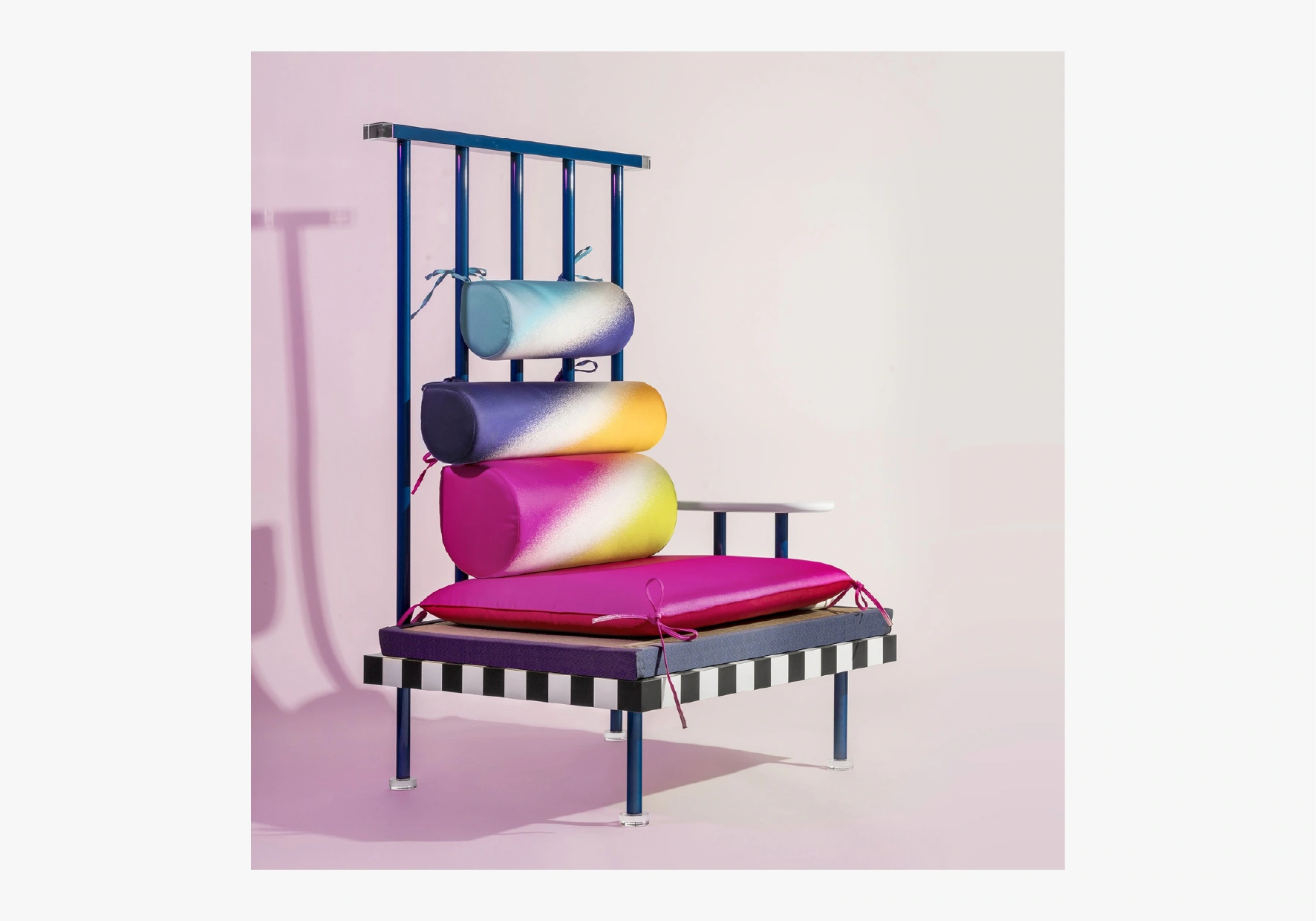
For information on available works by Masanori Umeda, please contact us.
CONTACT